New Approach to Skin Anti-Aging with NAD?
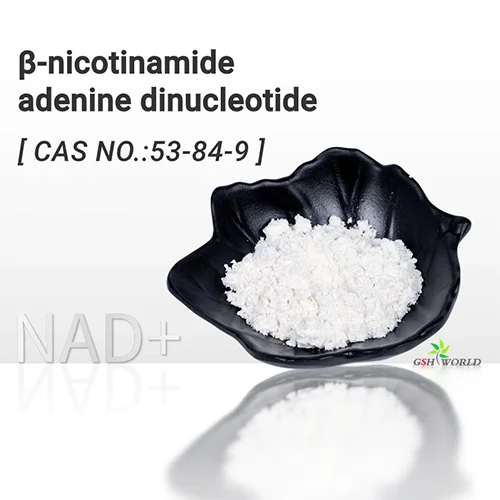
Nicotinamide adenine dinucleotide (NAD?) is an indispensable small molecule in cellular metabolism, driving energy production, DNA repair, epigenetic regulation and other vital processes. Its intracellular concentration declines with age and is implicated in multiple age-related disorders. Replenishing NAD? or its precursors is therefore viewed as a strategy to delay—or even reverse—aging.

A recent study by a Korean team has developed a method that markedly amplifies the anti-aging effect of exogenous NAD? on skin by improving its bioavailability through targeted inhibition of CD38, the main NAD?-degrading enzyme.
1. CD38 inhibition elevates intracellular NAD?
Exogenous NAD? can be taken up by cells but simultaneously induces CD38 expression, leading to rapid NAD? breakdown. Co-treatment with quercetin plus enoxolone (glycyrrhetinic acid) synergistically suppresses CD38 expression, more than doubling intracellular NAD? levels.
2. Mechanistic validation of anti-aging effects
Photo-aging model (UV-irradiated fibroblasts):
? NAD? + inhibitor cocktail markedly reduces senescence markers (p16, p21, MMP-1).
? DNA damage (γH2AX foci and comet-tail moment) is significantly diminished.
? Cellular senescence rates fall while overall viability rises.
Intrinsic aging model (replicative senescence):
? Population-doubling capacity of dermal fibroblasts is extended.
? Longevity-associated Sirtuins are activated.
? Autophagy flux is enhanced.
? Mitochondrial function improves, evidenced by higher ATP output, increased membrane potential and reduced oxidative stress.
3. Anti-inflammatory action
In LPS-stimulated RAW264.7 macrophages, the NAD? + inhibitor combination suppresses the production of NO, TNF-α, IL-1β and IL-6, suggesting potential mitigation of inflammaging.
4. Wound-healing promotion
Under NAD?-depleted conditions (induced by FK866), the same combination accelerates fibroblast migration and proliferation while up-regulating wound-repair genes such as Ki67, COL3A1 and TGF-β.
This work is the first systematic demonstration that exogenous NAD? exerts robust anti-aging effects in human dermal fibroblasts. By co-administering quercetin and enoxolone to curb CD38 activity, the study markedly increases the efficiency of NAD? utilization. The findings offer both a novel target and a practical formulation strategy for next-generation anti-aging skincare products, combining strong scientific rationale with clear translational potential.
Reference
[1] Kang S, Park J, Cheng Z, et al. Novel Approach to Skin Anti-Aging: Boosting Pharmacological Effects of Exogenous Nicotinamide Adenine Dinucleotide (NAD?) by Synergistic Inhibition of CD38 Expression. Cells, 2024, 13(21): 1799.
*Special note - This article is for informational purposes only and cannot replace a doctor's treatment diagnosis and advice. It should not be regarded as a recommendation or proof of efficacy of the medical products involved. If it involves disease diagnosis, treatment, and rehabilitation, please be sure to go to a professional medical institution to seek professional advice.
Tag: NAD,
PREVIOUS: Multiple Roles of Glutathione in Aquaculture
NEXT: Permeation Performance of NMN in an Artificial Membrane

by GSHWORLD
GSHWORLD is China Biological API Manufacturer. China NAD? Supplements powder suppliers & best NAD? benefits raw material Factory.